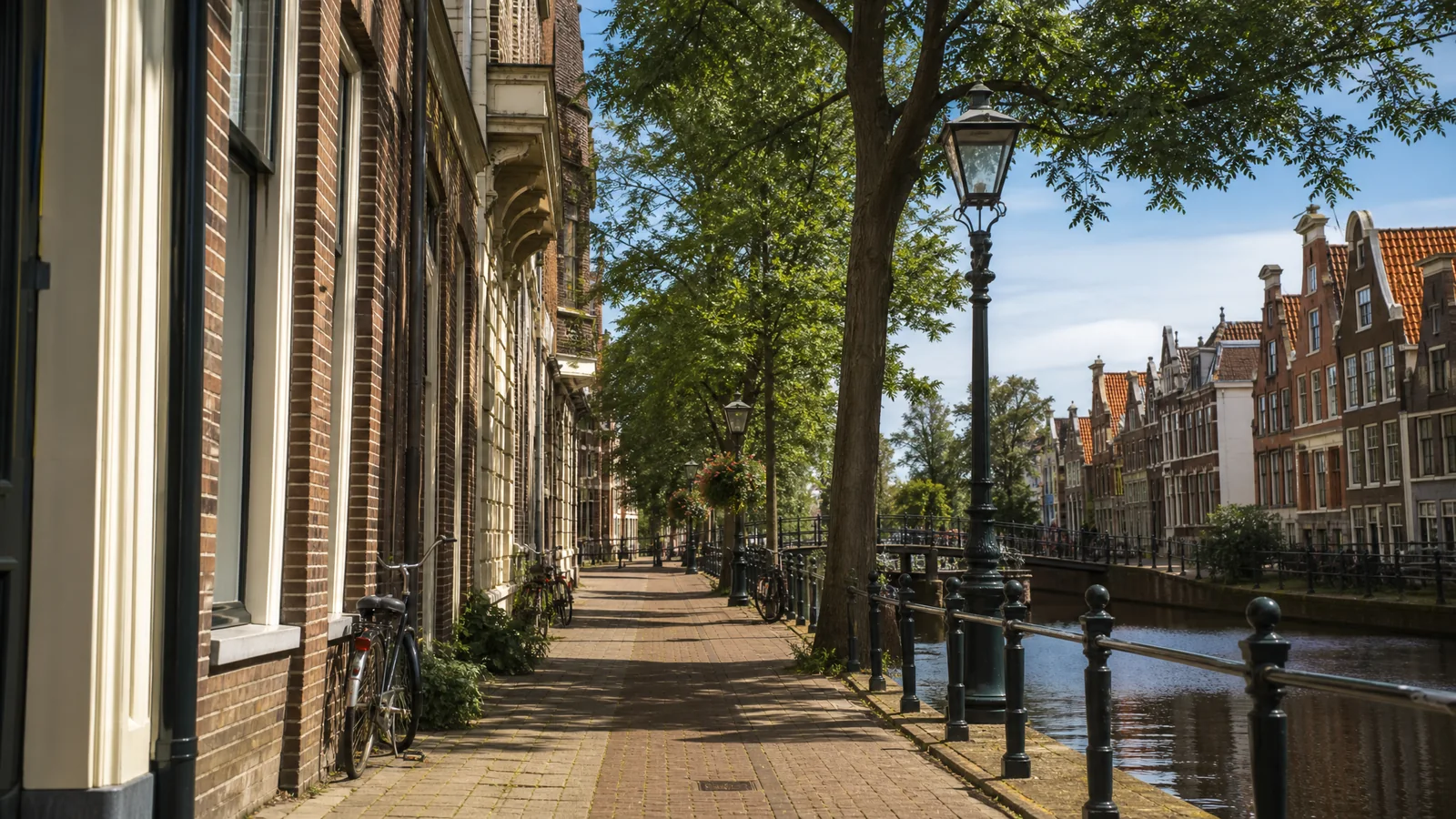
Haarlem has a quiet edge too
If you only read Haarlem through Grote Markt, hofjes and the Golden Streets, you miss another city rhythm. On the eastern side, the sound of the centre thins out and the Waarderpolder asks for a different kind of attention: less postcard, more city edge.
Haarlem Duurzaam lists a monitoring moment around the natterjack toad in the Waarderpolder on 3 June 2026. For Haarlem city guide, that is mainly a reason to look at the city as a whole: the compact centre depends on edges where space, water, work areas and green strips meet.
A source-led moment, not a route push
The municipal page gives 15:00 to 16:00, the Waarderpolder as the location and the corner of Ted Vermeulenweg and Jacques Meeuwissenweg as the starting point. Those details are useful context, but this article is not a live signup page and not route advice.
Small local moments need careful wording. The source says enough: participants learn how the natterjack toad can be recognised, where the species lives and why the area matters. More detail belongs with the organiser or ecological experts, not with a general city guide.
- Use the municipal page for current practical information.
- Read this article as city context, not as an invitation to join something.
- Stay with direct observation and source facts when writing about sensitive places.
- Keep visuals abstract or rights-safe when no controlled own photo is available.
Why the Waarderpolder belongs in Haarlem city guide
Haarlem city guide often focuses on places people naturally like to look at: hofjes, facades, market streets, rain light and small walking habits. The Waarderpolder asks for the same skill, but without the familiar centre backdrop.
That makes the subject useful. A city is not only the route between attractive places. It also consists of transition zones where work, water, infrastructure and green space meet. Seeing that helps explain why calm movement and careful looking in the centre also start outside the centre.
Looking without claiming the place
City nature does not need grand language. Name the source, limit the claim and do not turn a sensitive setting into scenery. An abstract image of water, reed and city-edge forms is more honest here than a forced photo or an image suggesting animals, people or recognisable sites.
Waarderpolder on a quiet Wednesday: city nature at Haarlem's edge becomes more interesting when you notice details you might otherwise pass: facades, edges, bends, waterlines and the way people share space.
Frequently asked questions
Is this article about an event I should still attend?
No. The municipal moment on 3 June 2026 is the source-led context. For current practical information, the primary municipal page should lead.
Why does Haarlem city guide mention the Waarderpolder?
Because Haarlem also consists of quiet edges where water, work areas and green space meet. That adds local context next to centre topics such as hofjes, facades and market days.
Does the article add ecological claims?
Waarderpolder on a quiet Wednesday: city nature at Haarlem's edge becomes more interesting when you notice details you might otherwise pass: facades, edges, bends, waterlines and the way people share space.