Why Keti Koti is visible in the city
On 1 July, Haarlem marks Keti Koti. The municipality describes the day as a moment to remember and celebrate the abolition of slavery in the former Dutch colonies.
That makes the day more than a calendar note. In the city, it is about listening, sharing stories and recognising that freedom also has a local history.
Following activities with attention
In the lead-up to 1 July, the municipality mentions several types of activities: city walks, music, lectures, workshops and performances. Details can change by place and time.
If you want to attend, check the current programme with Koloniaal Haarlem and choose consciously what fits the moment.
- Arrive in good time if a walk or lecture has limited room.
- Keep walking lines and doorways clear during remembrance moments.
- Do not take close-up photos of people without permission.
- Read organiser information before you leave.
Keeping the meaning careful
The municipality writes that Keti Koti means 'broken chains' and comes from Sranan Tongo. That short explanation calls for calm wording: the subject touches the history of slavery, freedom and the way stories are passed on.
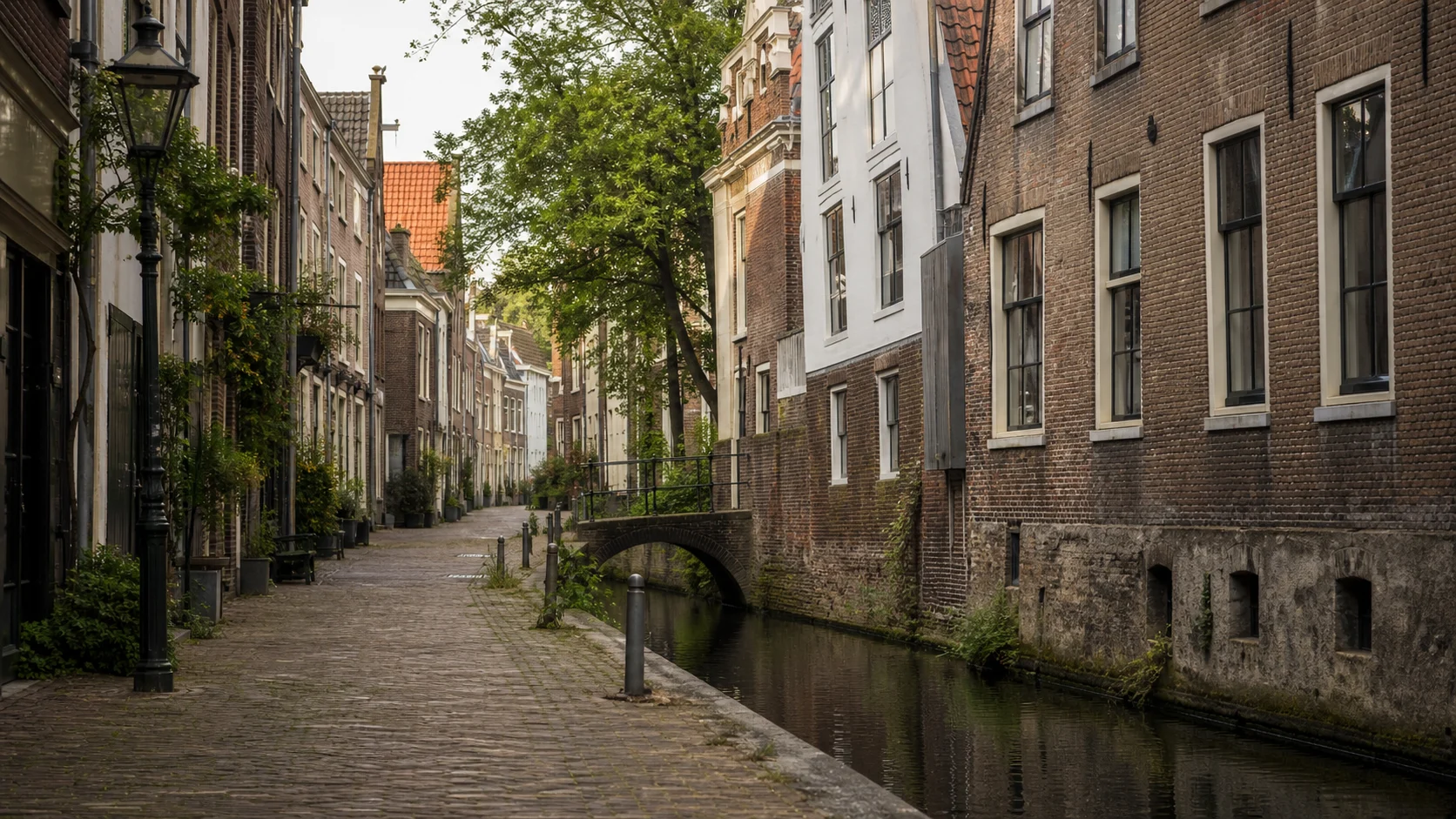
For visitors, it is an invitation to see Haarlem as more than scenery. Streets, rooms, squares and routes can become places where history and everyday city life sit side by side.
Moving calmly through Haarlem
Around cultural days, the centre can feel different from street to street. One square may be busy while a side street stays quiet. A calm approach helps: notice where people are waiting, where a group gathers and where residents need to pass.
Use this guide as context, not as a fixed programme. Current times, locations and changes belong with the organising parties.
Frequently asked questions
When is Keti Koti?
Keti Koti is on 1 July. Gemeente Haarlem says the day is marked in Haarlem with remembrance and celebration.
Where can you find the current Haarlem programme?
The municipality points readers to Koloniaal Haarlem for the full Keti Koti programme.
How can you follow activities respectfully?
Check the organiser, arrive without rushing, keep walking space clear and photograph people only with permission.